
Discover the rich spiritual heritage and cultural significance of the Varanasi Temple in this comprehensive exploration. This article offers an in-depth look at its history, architecture, religious importance, and practical guidance for visitors, providing readers with a well-rounded understanding of one of India’s most revered sacred sites. Whether you are a devout pilgrim or a curious traveler, gain valuable insights into the timeless allure of Varanasi’s spiritual heart.
Nestled along the banks of the sacred Assi River in the district of Varanasi, the city is renowned as India’s spiritual capital. Often referred to as Banaras or Kashi, Varanasi holds a unique place in the hearts of millions as a hub of spiritual activity, religious learning, and cultural heritage. Its vibrant ghats, bustling markets, and centuries-old temples create an atmosphere imbued with devotion and tradition.
Among the numerous temples dotting the city, the Kashi Vishwanath Temple stands out as a beacon of spiritual significance. Dedicated to Lord Shiva, it is considered one of the holiest shrines in Hinduism. The temple’s prominence is underscored by its mention in sacred texts and its role as a focal point for pilgrimage, spiritual reflection, and religious ceremonies.
This article aims to provide a comprehensive exploration of the Varanasi Temple, covering its historical roots, architectural features, religious importance, and practical guidance for visitors. Whether you are a devout pilgrim seeking spiritual fulfillment or a curious traveler eager to understand its cultural depth, this guide offers valuable insights into the timeless allure of Varanasi’s sacred site.
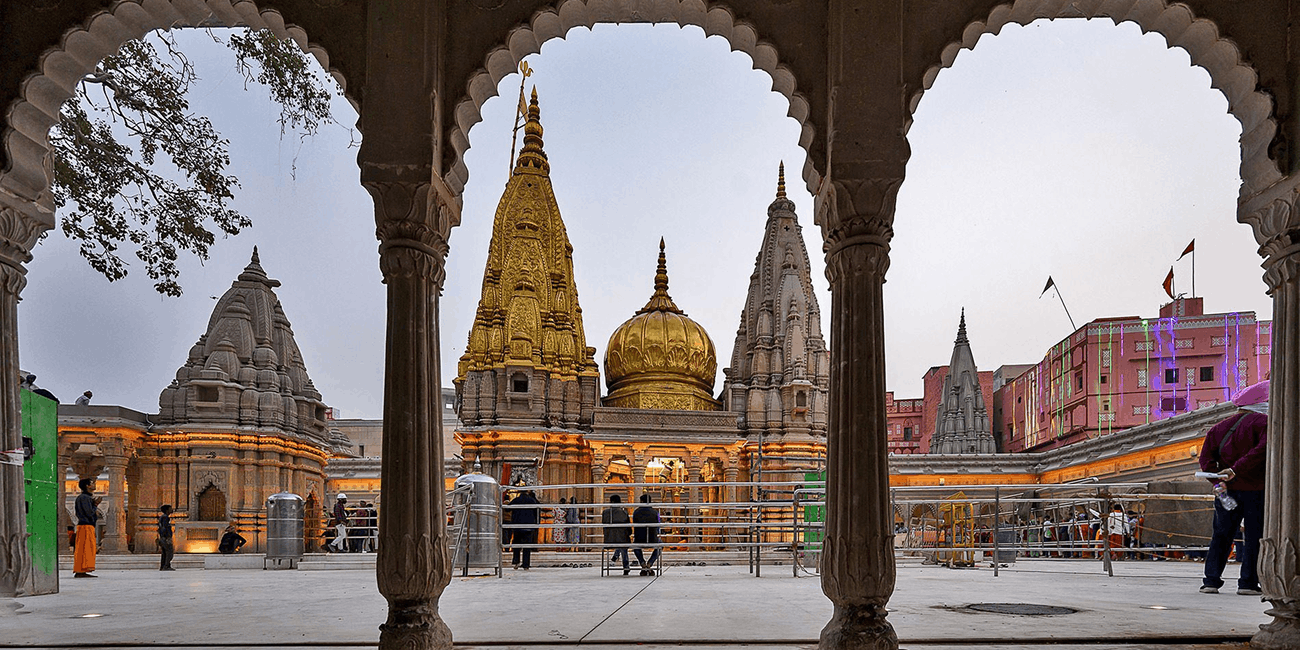
The Varanasi Temple, particularly the Kashi Vishwanath Temple, boasts a history that dates back over a thousand years. Its origins are intertwined with legends and historical records, with references found in ancient scriptures and texts. The temple has witnessed numerous invasions, destructions, and reconstructions, reflecting the resilience of faith and tradition. Notably, the temple was developed and hosted by various rulers, including the Maratha ruler Ahilya Bai Holkar of Indore, who contributed significantly to its restoration.
The temple’s architecture exemplifies traditional North Indian style, featuring a gold-plated spire (Shikhara), intricate carvings, and a sanctum (sanctorum) housing the revered Shiva lingam. The complex includes courtyards, pillared halls, and smaller shrines dedicated to various deities. Its design harmonizes spiritual symbolism with aesthetic grandeur, attracting devotees and tourists alike.
Over the centuries, the Varanasi Temple has undergone numerous renovations and expansions. The most recent developments include efforts by the Centre Ministry to modernize infrastructure while preserving its spiritual essence. The temple’s evolution reflects a blend of historical resilience and contemporary development, ensuring its relevance for future generations.
Significant restoration projects have been undertaken to safeguard the temple’s heritage. These include structural repairs, beautification, and the installation of modern amenities. The temple’s preservation is also supported by local authorities and religious organizations, ensuring that it remains a vital part of Varanasi’s cultural landscape.
The Varanasi Temple is central to Hindu spiritual life, serving as a site for daily worship, special pujas, and spiritual ceremonies. Pilgrims believe that a visit to this temple purifies the soul and helps attain moksha, or liberation from the cycle of rebirth. The temple’s proximity to the Assi River enhances its spiritual ambiance, with many rituals performed along the ghats and riverbanks.
While dedicated primarily to Lord Shiva, the temple also venerates other deities, including goddess Parvati and Lord Vishnu. Mythological stories recount Shiva’s cosmic dance and his role as the destroyer and transformer, emphasizing the temple’s spiritual symbolism. The legend of the temple’s destruction and subsequent restoration underscores the enduring faith of devotees.
Major festivals such as Maha Shivratri and Diwali see elaborate celebrations at the Varanasi Temple. Devotees gather in large numbers to participate in rituals, processions, and cultural performances. Special ceremonies are also held during auspicious days, attracting pilgrims from across India and beyond.
The Varanasi Temple profoundly influences local culture, inspiring art, music, and literature. Its spiritual ambiance fosters a tradition of learning and devotion, with many scholars and spiritual leaders advocating for its significance. The temple’s presence continues to shape the spiritual identity of the district of Varanasi.
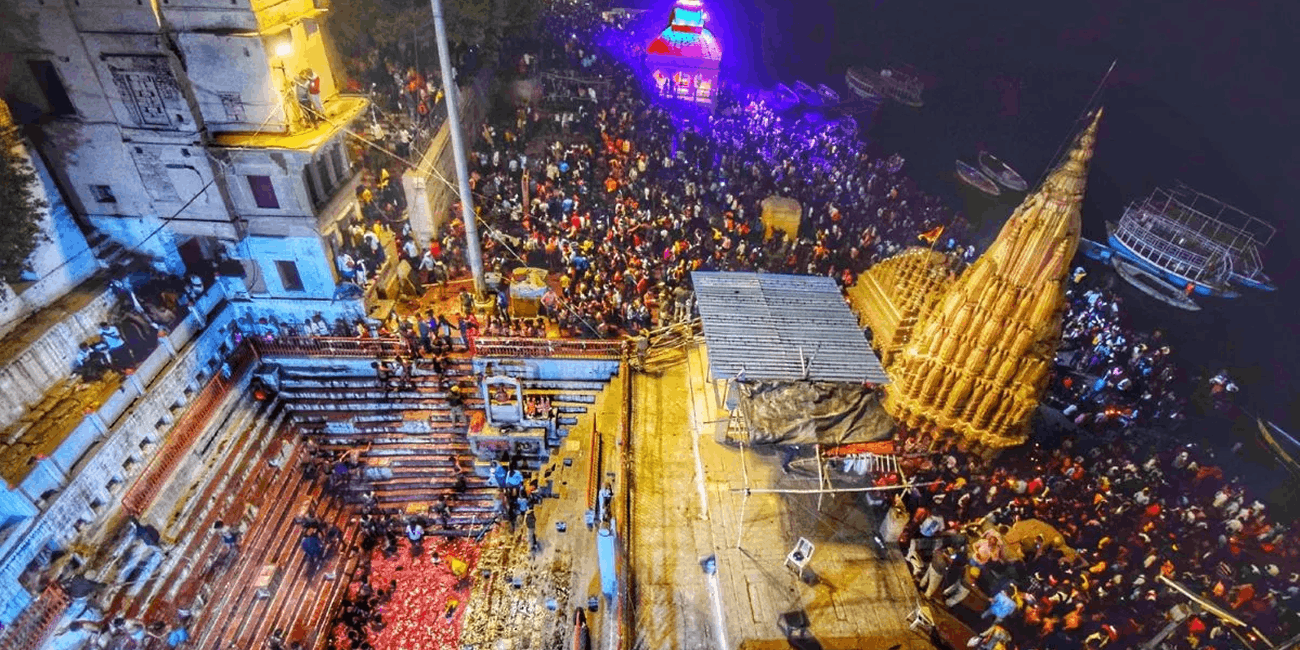
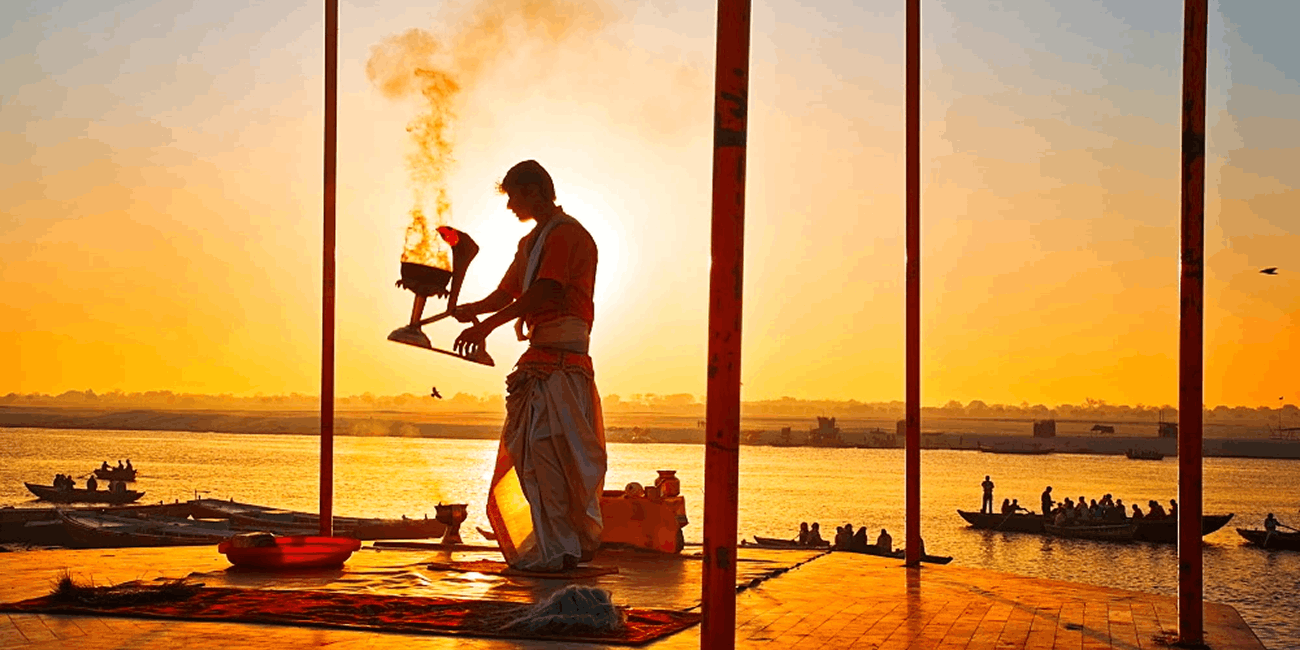
The most auspicious time to visit is during festivals like Maha Shivratri or during the cooler months from October to March. Early mornings and evenings offer a serene atmosphere for prayer and reflection, especially during the Ganga Aarti at the ghats.
The temple is accessible via Varanasi’s well-connected transportation network. Visitors can reach the city by air through Lal Bahadur Shastri Airport, which is developed and hosted with modern facilities. From the airport or railway station, taxis, auto-rickshaws, and local buses provide convenient access to the temple. The district of Varanasi is also well-connected by road.
Visitors are advised to dress modestly and remove footwear before entering the temple premises. Photography may be restricted in certain areas; additional charges may apply for professional photography. Maintaining silence and showing reverence are essential for a meaningful spiritual experience.
Apart from the Varanasi Temple, notable sites include the Mrityunjay Mahadev Temple, the Babu Shiv Prasad Gupta Museum, and the sacred ghats along the Assi River. The district also hosts the famous Banaras Hindu Temple, which complements the spiritual itinerary.
Varying from luxury hotels to budget guesthouses, the city offers a range of accommodation options. Many hotels are located near the airport and the temple complex, providing easy access. Local amenities include restaurants serving regional cuisine, shops selling religious artifacts, and guided tour services.
Visitors should stay vigilant about personal belongings and adhere to local customs. It is advisable to consult with local guides or advocates from the High Court if needed for legal or logistical assistance. Respect for religious sentiments and local traditions enhances the spiritual experience.
The Varanasi Temple, especially the Kashi Vishwanath Temple, stands as a testament to India’s rich spiritual heritage. Its historical resilience, architectural grandeur, and profound religious significance make it a cornerstone of Hindu devotion and cultural identity.
Visitors are encouraged to approach the temple with reverence and openness, engaging deeply with its spiritual ambiance. Respectful exploration allows for a meaningful connection to the divine and the cultural fabric of Varanasi.
The temple’s timeless allure lies in its ability to inspire devotion, reflection, and cultural pride. Whether you seek spiritual enlightenment or cultural understanding, the Varanasi Temple offers a profound journey into India’s spiritual heart, inviting all to partake in its enduring legacy.
