
When one thinks of Varanasi, visions of timeless ghats, wisps of incense, and the mystical chants by the Ganges come to mind. But deep in the labyrinthine alleys of Kashi—another name for Varanasi—there lurks a lesser-known, spine-chilling legend: the tale of Kashi Karvat. Steeped in a blend of faith, myth, and dark history, the mysterious Kashi Karvat temple is not just a temple—it’s a compelling narrative about death, liberation, and the pursuit of moksha.
Kashi Karvat refers to a unique and controversial temple in Varanasi, where, centuries ago, an eerie ritual promised instant liberation (moksha) to those who gave up their lives within its shadow. The word “karvat” means “saw blade”, and this meaning is chillingly literal. The heart of this temple once held a fearsome saw suspended above a pit—an instrument of both salvation and horror.
Legend has it, devotees seeking release from the endless cycles of birth and death could willingly end their lives beneath this blade, hoping their souls would ascend directly to heaven. This practice, while deeply rooted in the city’s spiritual quest for moksha, is today both condemned and shrouded in secrecy, making Kashi Karvat a mystery in Varanasi’s vast spiritual landscape.
To understand the origins of Kashi Karvat, one must journey back to a time when faith often walked hand-in-hand with extreme acts. In ancient Kashi, Lord Shiva’s decree was clear—those who died within his city would find the gates of heaven flung open to them. This led to crowds of the elderly and the ill coming to Kashi, spending their last days on the ghats in hopes of a liberated afterlife.
But as time passed, this compassionate tradition took a dark twist. A blade—karvat—was installed in the temple. While some believe it invited only the most spiritually prepared to their deliverance, tales of priests encouraging or even forcing devotees onto the blade have also surfaced. The temple, later known as Kashi Karvat, became infamous as much for these dark stories as for its supposed spiritual power.
Kashi Karvat was regarded as not only a temple but as a direct passage to moksha—a fact documented in Puranic legends and referenced in many medieval texts and traveler’s tales. The ritual and its interpretation split the local community and spiritual leaders alike:
Some scholars suggest the saw may have been symbolic—a metaphor for the severance of earthly attachments and ego.
Others maintain the grim reality: hundreds may have willingly, or sometimes unwillingly, surrendered to the blade.
The stories were so notorious that, eventually, the British authorities intervened and removed the deadly saw, ending this chapter in Varanasi’s spiritual history.
The root of Kashi Karvat’s legend is the Hindu belief in moksha—freedom from the cycle of birth and rebirth (samsara). Varanasi itself is celebrated as moksha’s capital. A person taking their last breath in Kashi is thought to be granted eternal liberation by Lord Shiva.
The Kashi Karvat ritual was, for some, a shortcut to this otherwise elusive state. Yet, mainstream Hindu philosophy prohibits suicide, making this ritual especially controversial. What further fuels the debate is how it shifted from a voluntary spiritual pursuit to an act occasionally marred by deceit or coercion.
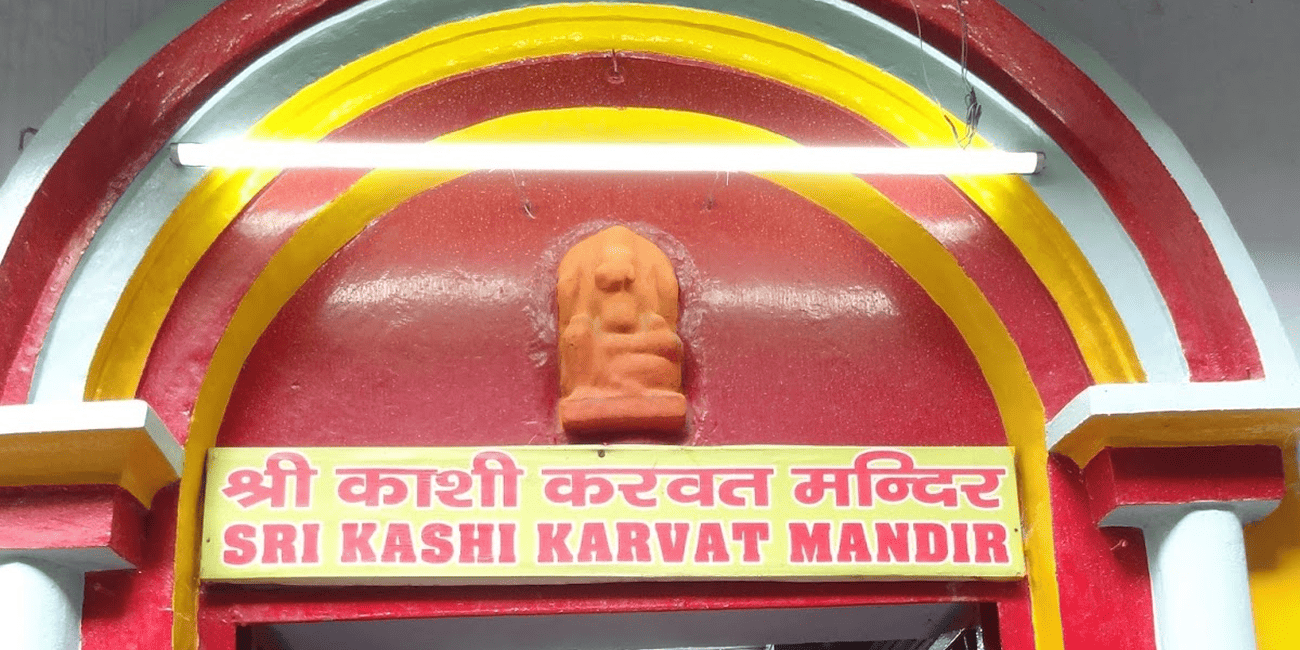
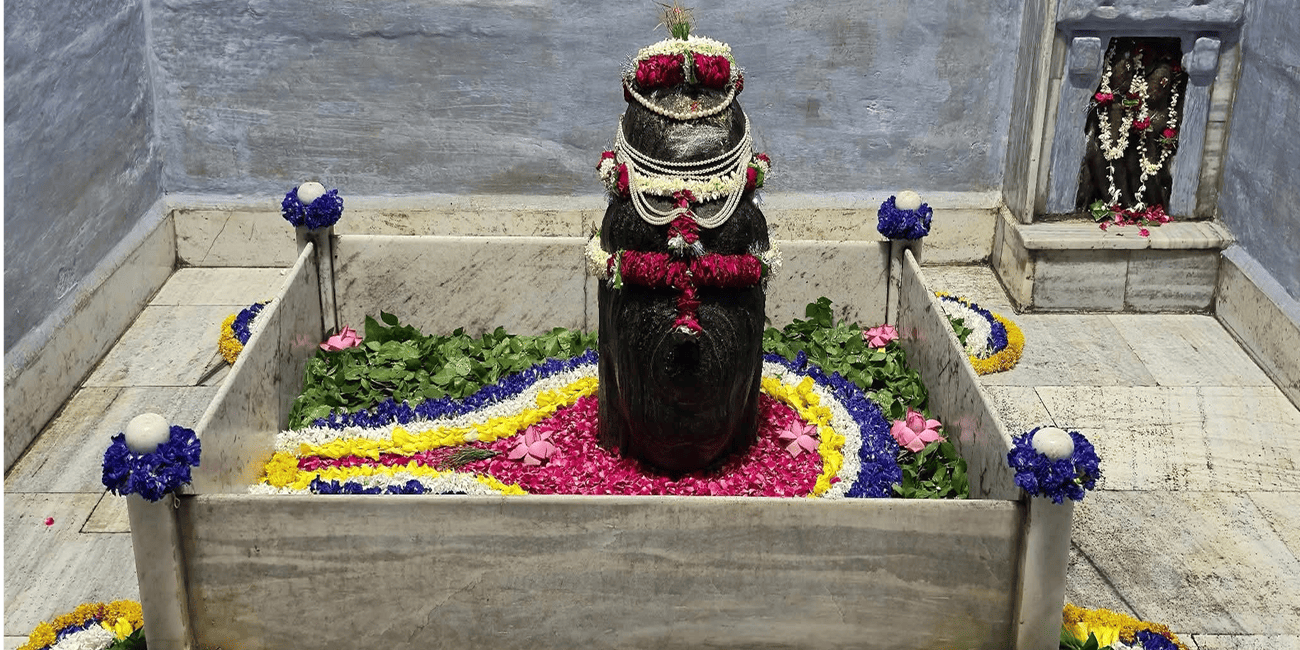
Today, the infamous Kashi Karvat temple sits quietly among the crowded alleys of Varanasi, hiding its secrets behind freshly painted maroon and yellow gates. Although renovated, certain elements recall its grim story. Inside, a shivling sits in a basement, accessible only to the priests and their families—guardians of the temple for more than 25 generations.
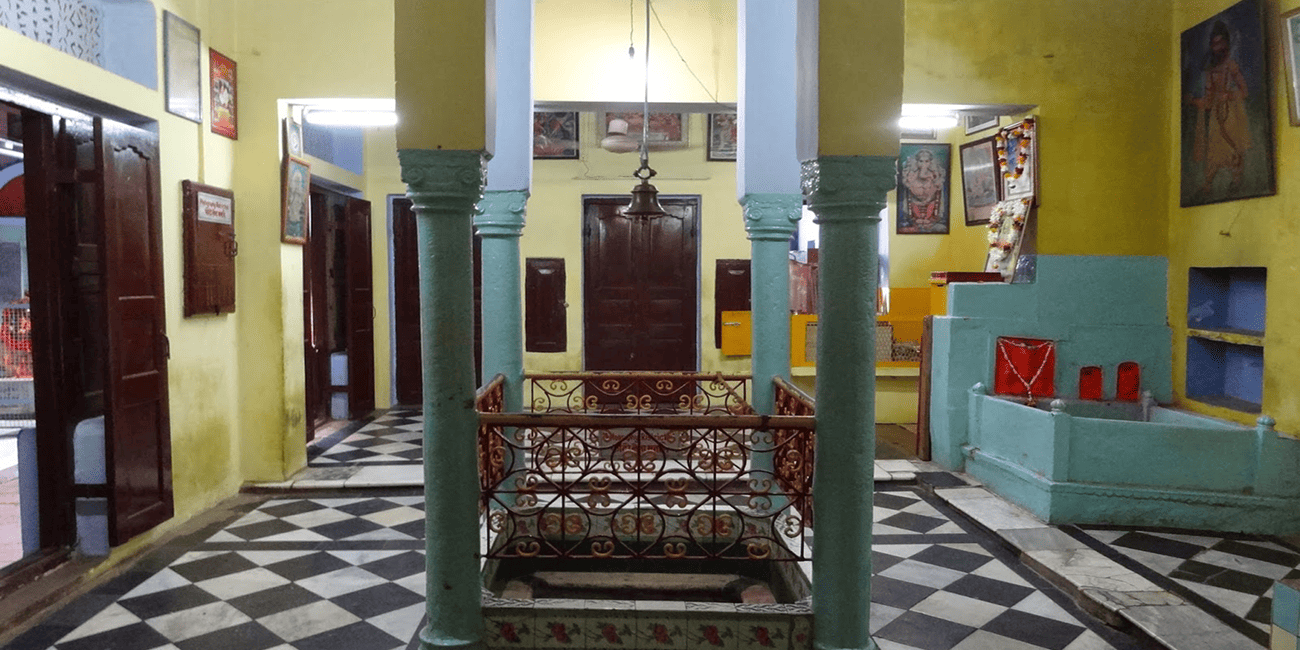
A small opening in the floor gives a glimpse into the temple’s original depth from a time before Varanasi’s iconic ghats were constructed. Some say the basement hides a canal once used to discreetly dispose of bodies into the Ganges, intensifying the aura of mystery. Others insist the rituals and truths of Kashi Karvat remain locked in the memories of Varanasi’s oldest residents.
Kashi Karvat surfaces in various spiritual and historical references. Kabir’s shabads in the Guru Granth Sahib allude to the karvat as a grim but potent route to liberation. Stories in the Puranas mention the temple, while folk legends abound among the old-timers of Banaras. The temple is also synonymous with Kapal Mochan Teerth, linking it to the legend of Bhairava and the punishment of Brahma for pride.
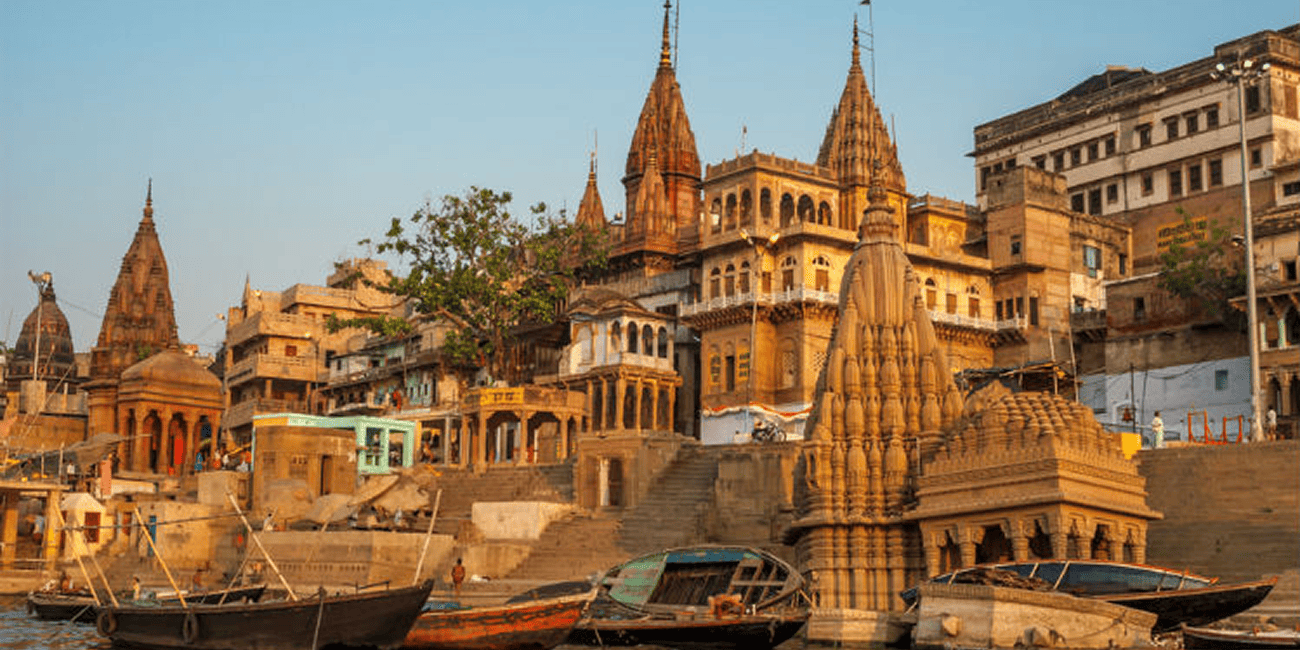
Sometimes, “Kashi Karvat” is also colloquially linked with the Ratneshwar Mahadev Temple, also known as the Leaning Temple of Varanasi. Its striking tilt, greater even than the Leaning Tower of Pisa, and the mysterious curse story attached to it add another layer to the enigmatic tapestry of Varanasi’s sacred geography.
For modern pilgrims and the merely curious, Kashi Karvat remains a site of awe and some apprehension. The temple is located near the famous Blue Lassi shop and a stone’s throw from Kashi Vishwanath Temple—two icons of Varanasi’s spiritual and cultural life.
How to Reach:
The temple is best accessed via rickshaw or a short walk through the twisting old-city alleys.
Its doors are mostly closed to general visitors, with entry restricted to the local priest families for rituals.
Seek local guidance to find the precise entrance, hidden among clusters of old buildings.
Although the physical act associated with Kashi Karvat is condemned and no longer practiced, its story prompts profound questions about faith, tradition, and humanity’s yearning for deliverance. Locals often whisper about lingering energies in the temple, and some travelers say that even standing near its gates evokes an uncanny feeling—a brush with the city’s forgotten past.
Religious and spiritual sites in Varanasi always come layered with both light and shadow, but few blend them so powerfully as Kashi Karvat. It remains a testament to Kashi’s ability to simultaneously inspire, challenge, and haunt the soul.
No exploration of Kashi’s many wonders is complete without anchoring your journey in comfort and authenticity. As you delve into the aura of Kashi Karvat, consider making your base at Stay Banaras —the city’s most distinctive boutique hotel.
Stay Banaras offers a unique blend of modern hospitality and the ageless beauty of Banarasi tradition. Tucked away in a 60-year-old heritage home, the hotel combines serene courtyards and contemporary design with warm, personalized service—the perfect retreat after a day exploring the mysteries of Kashi Karvat and the vibrant culture of Varanasi.
From delicious local cuisine at “Behind Yellow Doors” to curated cultural experiences and personalized city tours, Stay Banaras is your gateway to all that Varanasi has to offer. Its peaceful ambiance makes it the ideal base for travelers eager to witness the city’s secrets—including the bittersweet tale of Kashi Karvat.
With renewed focus on ethical tourism and cultural preservation, the legend of Kashi Karvat serves as both a lesson and an invitation. For some, it’s a tale of spiritual misadventure; for others, a case study in how deeply belief shapes action. Modern Kashi, conscious of its past, offers visitors a chance to reflect—not just to consume sensational stories but to listen, consider, and respect the city’s multi-layered heritage.
While the doors of the Kashi Karvat temple may not open to everyone, its story is accessible to all who wish to ponder the mysteries of life, death, and the soul’s journey. Responsible tourism ensures that such places are preserved, understood, and respected by generations to come.
The legend of Kashi Karvat—repeated here not only as a keyword but as the core of a cultural and spiritual dialogue—continues to evolve. Scholars, travelers, and local residents keep its memory alive, discussing its mysteries in countless forums, documentaries, and travel accounts. The phrase “kashi karvat” today signifies not just a relic of violent history, but a symbol of how human yearning for moksha sometimes treads ambiguous paths.
What does ‘kashi karvat’ literally mean?
“Kashi karvat” means “the saw of Kashi”, referring to the literal saw blade once installed in the temple as part of the liberation ritual.
Where exactly is the Kashi Karvat temple located?
The temple is located a short walk from Kashi Vishwanath Temple and the Blue Lassi shop in old Varanasi. Its gate is marked with a maroon and yellow plaque, and it remains mostly closed to public visits.
Is the Kashi Karvat ritual still practiced today?
No, the ritual has long been abandoned and outlawed, and the saw blade was removed during British rule due to ethical and humanitarian concerns.
What’s the closest hotel to Kashi Karvat for heritage tourism?
Stay Banaras provides the best balance of heritage atmosphere and modern comfort, highly rated among visitors exploring Kashi’s spiritual sites.
Which other sites should a Kashi Karvat visitor see in Varanasi?
Include: Kashi Vishwanath Temple, Ratneshwar Mahadev (Leaning Temple), Manikarnika Ghat, Nepali Mandir, and the labyrinthine old city.
Always approach controversial or sacred sites with reverence and an open mind.
Hire a knowledgeable local guide for context and safe navigation.
Stay in locally run hotels like Stay Banaras for genuine hospitality.
Remember that legends like Kashi Karvat—though shrouded in controversy—offer a mirror to the complexity of human faith.
