
Banaras, also known as Varanasi or Kashi, stands as one of humanity’s oldest living cities—its spiritual magnetism, bustling ghats, historic temples, and eclectic lane life lure visitors from every corner of the world. At every turn, Banaras pulses with the energy of centuries-old rituals, modern cultural fusion, and unfading charm. This is a destination where every traveler finds something to cherish, from sunrise aarti on the Ganges to street food adventures through labyrinthine alleys, from architectural marvels to contemporary boutique stays like Stay Banaras.
Whether you’re planning your first trip or are a regular visitor seeking novel insights, this expansive guide to Banaras places will reveal a blend of traditions, mysteries, and modern hospitality that guarantee an unforgettable experience.
Varanasi’s legacy as a holy city predates nearly all organized civilizations, attracting spiritual seekers, traders, and royalty over millennia. The city’s spiritual heartland, legendary ghats, and vibrant bazaars are matched only by its evolving culture—fusion food, contemporary art, and heritage boutique hotels now coexist alongside ancient rituals. No trip to Banaras is complete without immersing yourself in both its old-world charm and its dynamic, new-age hospitality at modern hotels such as Stay Banaras.
Known as the “Golden Temple” of India, Kashi Vishwanath is dedicated to Lord Shiva and holds a unique place among the twelve Jyotirlingas. The golden-plated dome, centuries-old rituals, and the sheer devotion of millions make it Varanasi’s most sought-after spiritual destination. Pilgrims and travelers alike flock here, seeking blessings and partaking in the vibrant aarti ceremonies held throughout the day. Even if you’re not religious, the temple’s architectural grandeur and spiritual energy are captivating.
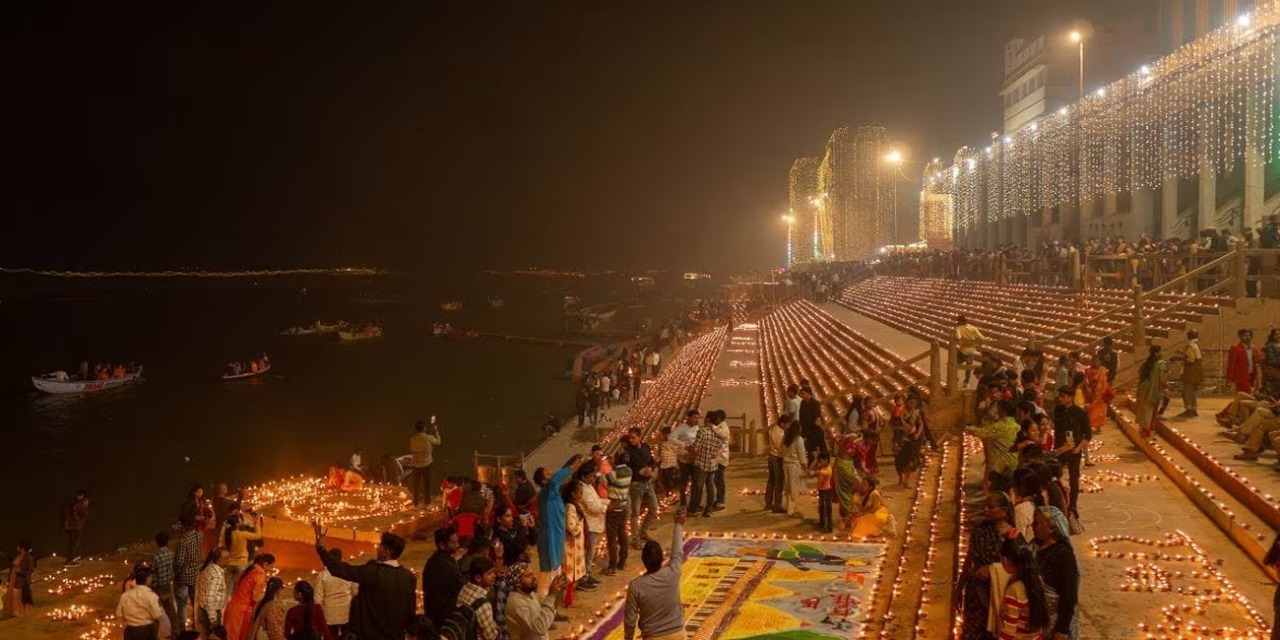
This iconic riverside spot is the heart of Varanasi’s spirituality, where each evening, priests perform the synchronized Ganga Aarti—an unforgettable spectacle as lamps, chants, and incense envelop the river’s shimmering surface. It’s a place not just for believers, but anyone who wants to witness deep-rooted tradition in action.
At the confluence of the Ganga and Assi rivers, Assi Ghat is celebrated for its peaceful atmosphere and the popular Subah-e-Banaras morning aarti. Early risers can savor breathtaking sunrises, take meditative walks, or enjoy yoga sessions by the water.
Considered the city’s primary cremation ground, Manikarnika Ghat is deeply woven into the Hindu cycle of life and death. Many Hindus aspire to spend their last moments here, believing Banaras deliver moksha (liberation) from the cycle of rebirth. Travelers are welcome to witness these solemn rituals with respect—they offer a profound perspective on life and spirituality.
A short boat ride from Assi Ghat lands you at Ramnagar Fort, an 18th-century sandstone structure exhibiting royal artifacts, vintage cars, and classic weaponry. Standing on the eastern bank of the Ganges, the fort’s panoramic views and historical exhibits provide a window into Banaras’s regal past.
Nestled in the sprawling campus of Banaras Hindu University (BHU), this museum is a treasure trove for art and history fans. From rare Mughal paintings to a vast collection of Banarasi sarees, the exhibits bring alive Varanasi’s artistic heritage.
Just beyond Varanasi, Sarnath marks the site of Lord Buddha’s first sermon after enlightenment. The Dhamek Stupa and Ashoka Pillar make this a must-visit spot for history and culture buffs.
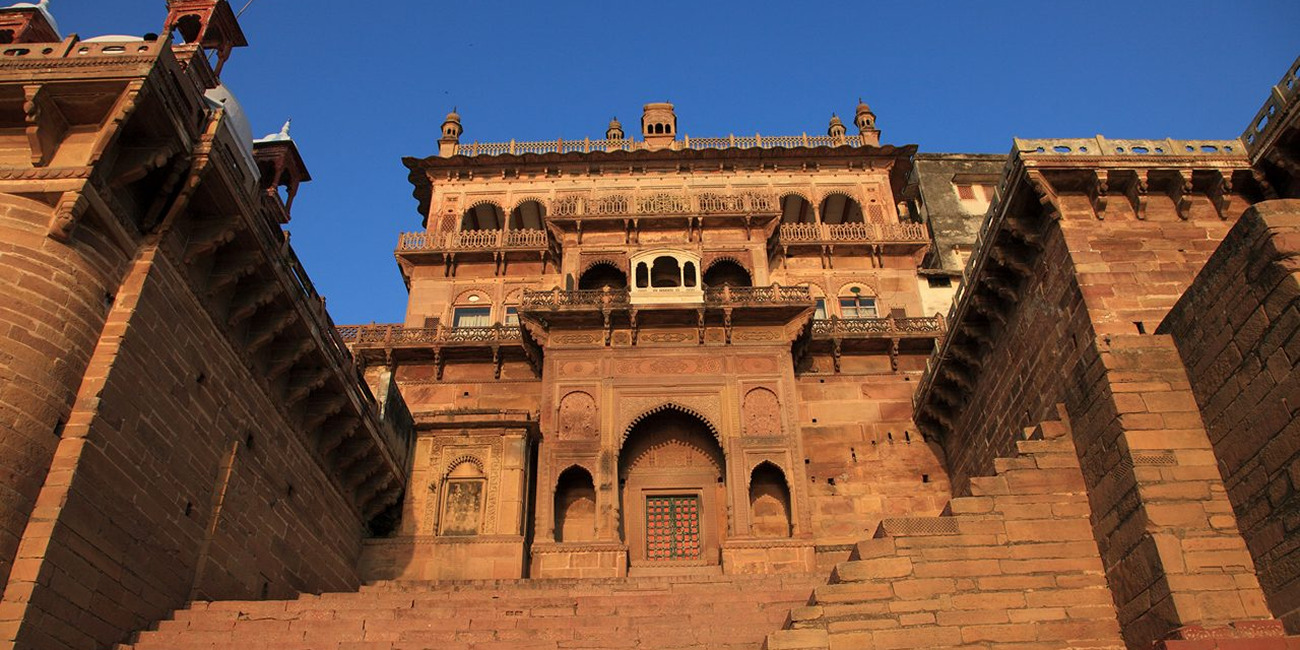
India’s largest residential university, BHU combines academic excellence with lush greenery, temples, and museums. The Vishwanath Temple inside is especially serene and worth a visit.
Banaras is just as famous for its street food scene as its temples and ghats. Here are five legendary spots to add to your itinerary:
Deena Chat Bhandar: Famous for tamatar chaat, kulfi falooda, tikki chole, and dahi kachori—the shop is a local institution and frequently visited by celebrity chefs.
Blue Lassi: The city’s most Instagrammable lassi shop, Blue Lassi at Kachori Gali, offers a dizzying variety of flavors and a vibrant, contemporary atmosphere.
Chachi ki Dukaan: Known for fresh kachoris and jalebis, this modest shop packs a punch in flavor and tradition.
Ramchandra Chaurasia Tambul Bhandar: For the quintessential Banarasi paan experience, visit this iconic spot, reputed even among Bollywood celebrities.
Shree Ji ki Malaiyo: Varanasi’s winter-special dessert, Malaiyo, is cream-based and melts in your mouth—offered only at select seasonal shops.
Banaras’s shopping scene is vibrant, packed with centuries-old markets, contemporary goods, and local treasures.
Godowlia Market: Popular for handicrafts, decor items, and street shopping right by Dashashwamedh Road.
Rajan Silk Market: Plan your Banarasi saree shopping here for the best handwoven pieces at wholesale prices.
Vishwanath Lane: A haven for jewelry, textiles, and wooden toys—bargaining is an art form here!
Thatheri Bazaar: Unique for religious copper artifacts, antique collectibles, silk, and brocades.
Gol Ghar: The largest market, famed for shoes and gift items at budget rates.
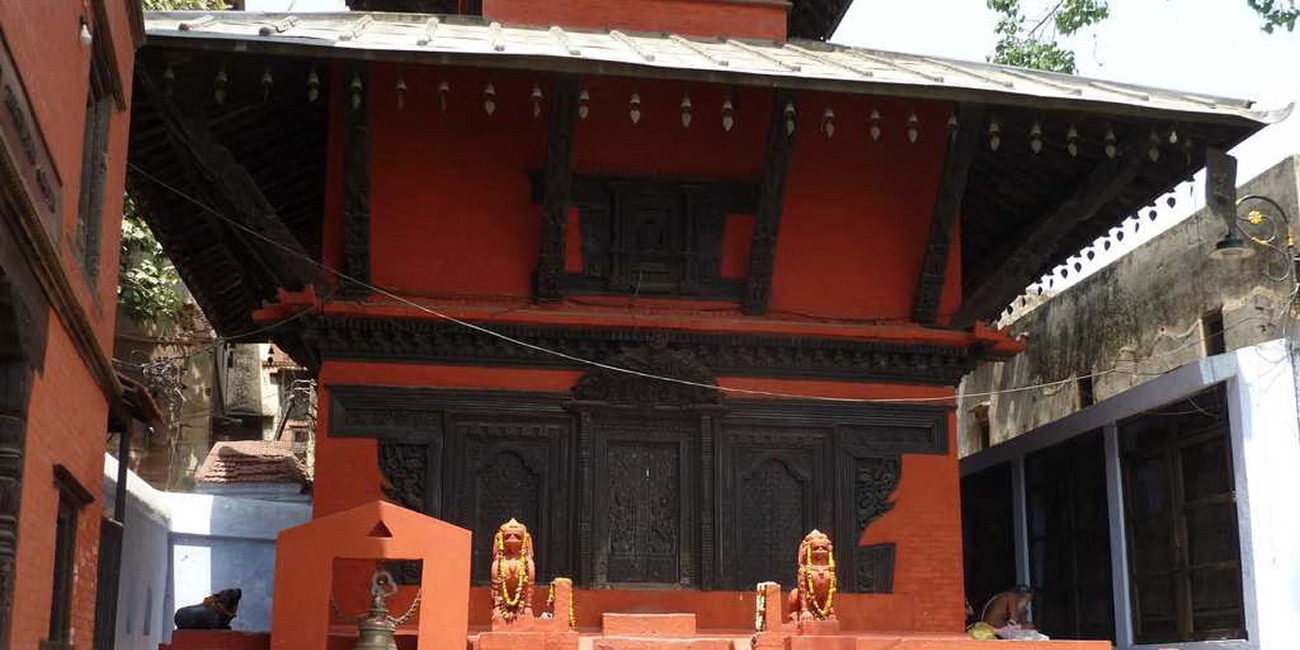
Beyond the obvious, Banaras brims with secret corners and offbeat attractions.
Nepali Temple and Nepali Ghat: A wooden pagoda-style temple offering serene vibes and a less-crowded ghat experience.
Alamgir Mosque: A striking blend of Hindu and Mughal architecture overlooking the Ganges.
Kabir Chaura and Kabir Math: Devoted to the poet-saint Kabir, these spots are perfect for quiet reflection.
Jain Ghat and Temple: Peaceful, away from the hustle and bustle, ideal for those wanting tranquility.
Chet Singh Ghat and Fort: A historic spot tied to British-era battles and local lore.
Darbhanga Ghat and Palace: Architectural marvels ideal for photographers and sunrise chasers.
The dazzling Ganga Aarti at Dashashwamedh Ghat is a spiritual show not to be missed—arrive early to secure a good spot, or book a boat ride for a magical river view of the ceremony.
Assi Ghat’s Subah-e-Banaras is a meditative early-morning event combining yoga, classical music, and spiritual rituals—a refreshing start to the day in Banaras.
Visiting in the festival season (October–March), you’re likely to catch Dev Deepawali (the festival of lights), Mahashivratri, or Kartik Purnima—each transforming Banaras with illumination, music, and ritual.
Dress modestly, especially at religious sites—cover legs and shoulders out of respect for local customs.
Bargain in markets to get the best deals on textiles and crafts.
Pre-book your accommodations during festivals, as the city fills up quickly.
Avoid taking photos during rituals at the ghats unless you receive permission.
Solo travel is generally safe but be cautious at night and keep an eye on personal belongings.
By Air: Lal Bahadur Shastri International Airport connects Varanasi well with metro cities.
By Rail: Varanasi Junction receives trains from pan-India and is one of the busiest UP stations.
By Road: Direct buses and excellent roads link the city with Delhi, Allahabad, Lucknow, Patna, Gorakhpur, and Ranchi.
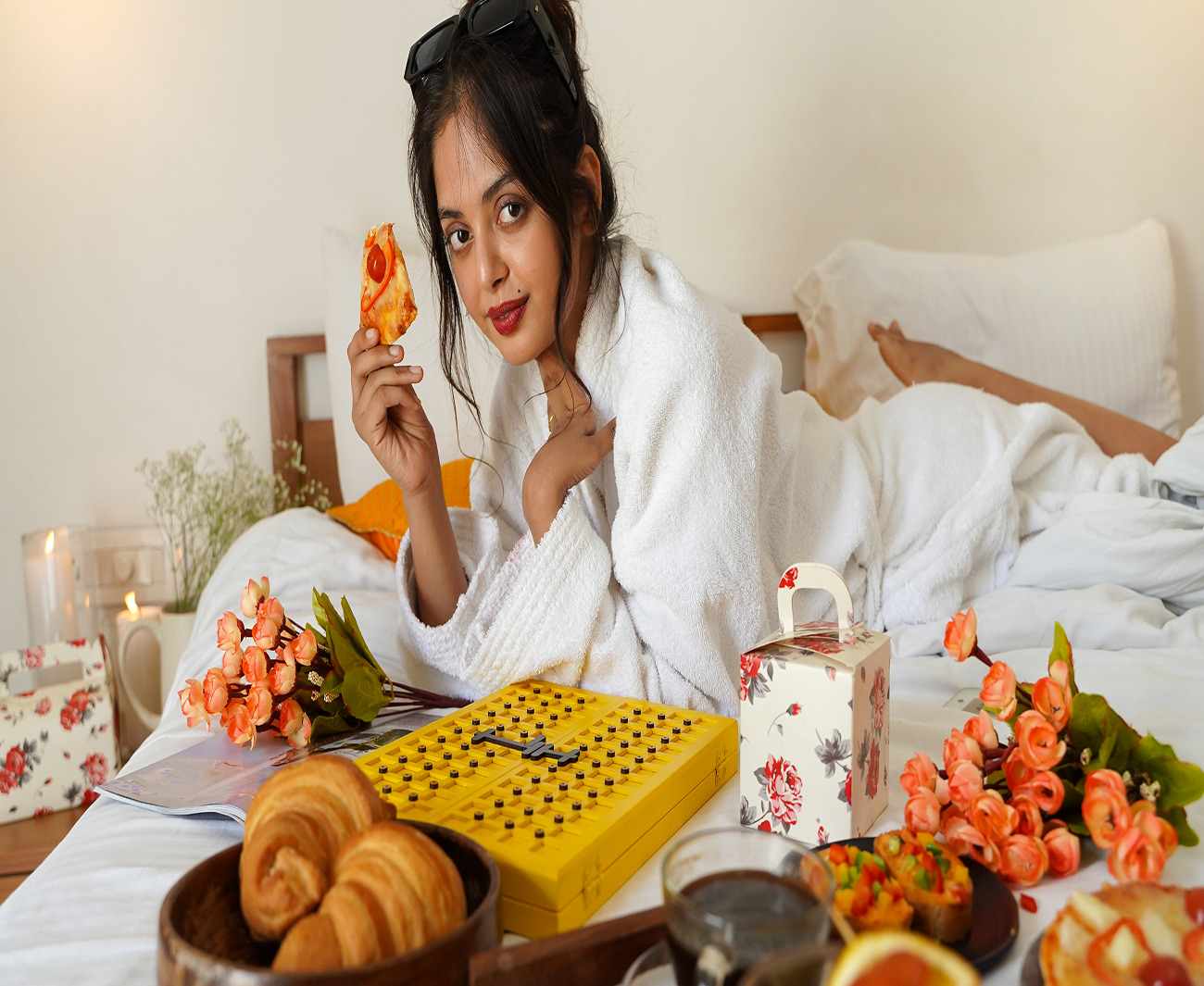
When tradition meets contemporary hospitality, travelers gain the best experiences.
Stay Banaras is not just a boutique hotel—it is a 60-year-old heritage home tailored with modern Indian aesthetics and eclectic twists. Here you’ll find lush courtyards for peaceful mornings, a modern diner for culinary explorations, and rooms designed for relaxation and authenticity.
Staying at Stay Banaras situates you at the center of heritage, culture, and spiritual adventure, all within easy reach of the city’s top attractions.
Sunrise yoga or Subah-e-Banaras at Assi Ghat
Explore the ghats and temples: Dashashwamedh, Kashi Vishwanath
Lunch at Blue Lassi and shopping at Thatheri Bazaar
Evening Ganga Aarti by the river
Morning walk through Godowlia and Vishwanath Lane
Visit Bharat Kala Bhavan Museum (BHU)
Afternoon at Ramnagar Fort and Nepali Ghat
Culinary adventure at Chachi ki Dukaan, followed by Malaiyo dessert
Shop for Banarasi sarees at Rajan Silk Market
Trip to Sarnath (Dhamek Stupa, Ashoka Pillar)
Explore offbeat ghats: Nepali Ghat, Chet Singh Ghat, Jain Ghat
Sunset stroll at Darbhanga Ghat
Comfortable stay and dinner at Stay Banaras
What is Banaras famous for?
Stay Banaras blends heritage architecture, curated experiences, and friendly service to create a memorable stay rooted in authentic local culture.
What is the best time to visit?
October–March is ideal due to pleasant weather and festivals.
Can you swim in the Ganges?
A holy dip is customary, but avoid full immersion—pollution remains a concern; exercise caution.
What should I wear?
Modest clothing is recommended—avoid shorts and sleeveless outfits in religious settings.
Is solo travel safe?
Banaras is safe for solo travelers but always stay cautious in crowds and at night.
Whether you’re seeking spiritual revelation, cultural adventure, or gastronomic delight, Banaras offers a world in every lane, along every ghat, and within every heritage home. Absorb centuries of tradition while enjoying the city’s fresh, boutique hospitality at Stay Banaras. Every moment spent here tells a story—this is the true charm of Banaras places.
Start planning your immersive journey, create unforgettable memories, and come away with an experience richer than you ever imagined.
